

Kairos Solutions – ERP-based Custom Web Development Services
26/05/2021The Quiet Shift in Manufacturing ERP
30/06/2026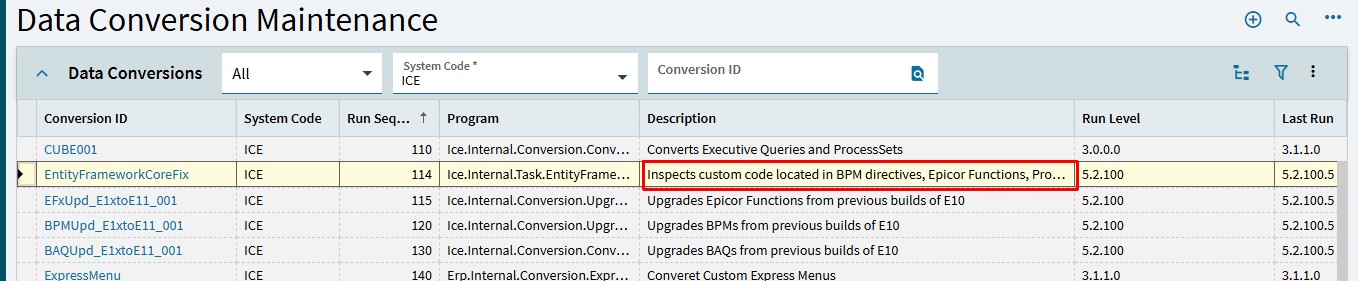
If you run Epicor Kinetic and have any custom BPMs, functions, or code-based customizations, there’s an important technical change you need to know about — and act on.
Epicor has confirmed that Kinetic 2026.100 includes a significant underlying technology shift: a move from Entity Framework 6 (EF6) to Entity Framework Core 10 (EF Core). This isn’t a feature update you can skip — it affects how custom code interacts with your Epicor database, and depending on your environment, it could require real remediation work before you upgrade.
Why is this happening?
Microsoft has shifted all active development to Entity Framework Core. EF6 is still technically supported, but it no longer receives new features or active development — all of Microsoft’s innovation, performance improvements, and long-term support now sit with EF Core. To keep Kinetic aligned with Microsoft’s modern .NET direction, Epicor has made the same move.
The good news: Epicor has been signalling this change since before the 2025.1 release. This is not a surprise — it’s been a long-planned, well-documented transition.
What does this actually mean for your business?
Here’s the important distinction: Kinetic itself, and its public APIs, have already been tested against this change. Out-of-the-box Kinetic functionality will continue to work as expected.
The risk sits specifically with custom code — BPMs, customizations, and Epicor Functions that your organisation (or a previous partner) has built over the years. If those customizations use Entity Framework queries directly, they may break or behave unexpectedly once EF Core takes over.
One piece of good news: server-side customizations built using widgets (rather than written code) are largely unaffected. The exposure is concentrated in code-based customizations specifically.
Your first step: Run the Custom Code Report
Epicor provides a free diagnostic tool — the Custom Code Report — that scans your environment and produces a list of every BPM, function, and customization that may need attention for EF Core compatibility.
If you haven’t run this yet, it should be your starting point. It takes only a few minutes and gives you a clear, factual picture of your exposure rather than relying on guesswork.
 Epicor’s official Entity Framework migration guidance: https://gist.github.com/JeffLeBertEpicor/3a044b5eb0277752d45b6186e3bb2549
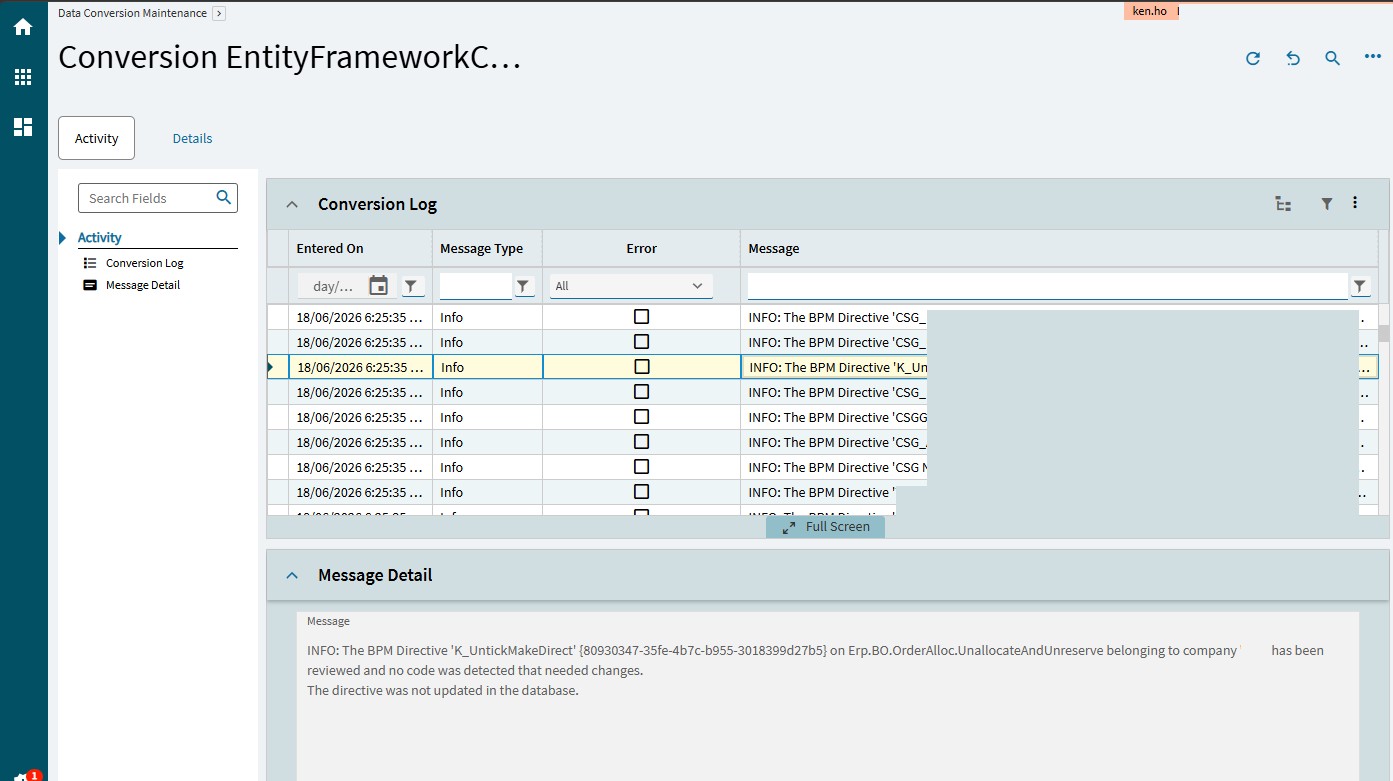
What if the report comes back with a long list?
For many organisations — particularly those with years of accumulated customizations — the Custom Code Report can surface more findings than expected. Knowing what needs fixing is one thing. Having the in-house Epicor development time and expertise to actually rewrite, test, and validate that code on a pilot environment before it hits production is another challenge entirely.
This is exactly the kind of work our team handles regularly. We can:
- Review your Custom Code Report results and prioritise what genuinely needs attention versus what can wait
- Rewrite and test affected BPMs, functions, and customizations for EF Core compatibility
- Validate everything on a pilot environment before your production upgrade
- Make sure your upgrade to 2026.100 happens smoothly, without surprises
Getting started
If you’d like a second set of eyes on your Custom Code Report results, or hands-on support completing the EF Core uplift, we’re here to help.